
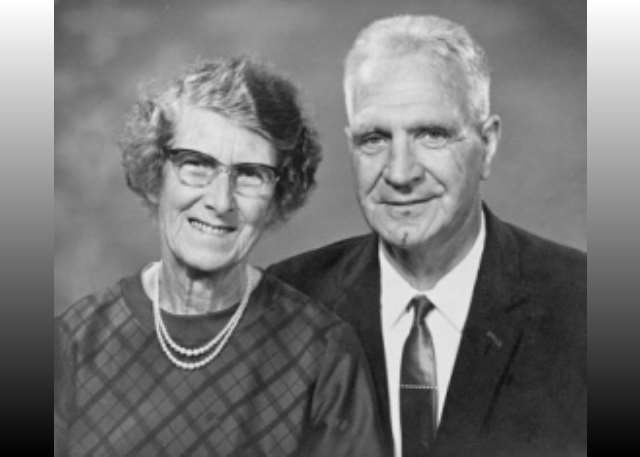
When James McKeown stepped off a steamer in the Gold Coast in 1937, he was a young pastor with little formal education and no idea that his work would grow into one of Africa’s largest Pentecostal churches.
Early life and call
McKeown was born on 12 September 1900 and grew up in Northern Ireland, where he came into the Apostolic Church, a Pentecostal denomination. He was later accepted as a missionary by the Apostolic Church in Bradford, England. He hesitated, doubting his education, but went after encouragement from his wife, Sophia.
Arrival and crisis
He arrived in the Gold Coast on 4 March 1937 and was taken to Asamankese to work alongside Peter Anim’s Pentecostal movement. Sophia joined him later that year. Soon after his arrival, McKeown fell seriously ill with malaria and was treated in hospital in Accra. Some in Anim’s group, who rejected medicine in favour of divine healing, saw this as a lack of faith, and the two leaders parted ways.
McKeown went on to build up the Apostolic Church in the Gold Coast, with Winneba becoming an early headquarters. In 1953 a dispute with the Bradford leadership led him and his followers to form the Gold Coast Apostolic Church, renamed the Ghana Apostolic Church after independence. On 1 August 1962 it took the name The Church of Pentecost.
Legacy
McKeown led the church as its first chairman for two decades before retiring to Northern Ireland. Sophia died in January 1983, and James died at his home in Ballymena on 4 May 1989, aged 88.
He is often credited with insisting that the church be led and funded by Ghanaians, a principle widely cited as a reason for its growth. The Church of Pentecost is now among the largest denominations in Ghana, with branches in many countries.
Sources: Wikipedia: James McKeown; The Church of Pentecost; Missionalia (SciELO).
Spotted an error? submit a story.

Faithful Scribe is a passionate writer dedicated to exploring Christian teachings and inspiring believers to live out their faith with purpose and conviction. For more insightful articles, stay connected with Charismata News.