
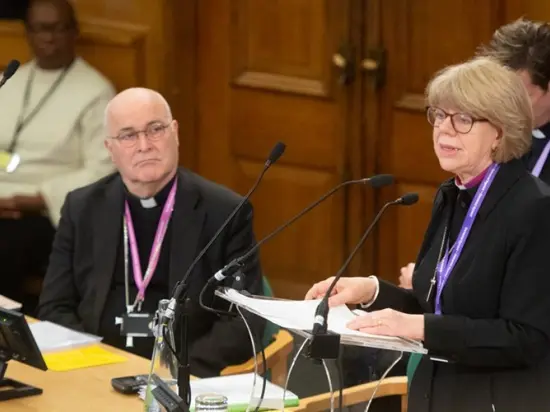
Senior leaders of the Church of England have withdrawn an earlier threat to cancel a conference focused on Christian perspectives on sexuality after widespread concern from clergy and church leaders.
The event, organised by the Church of England Evangelical Council (CEEC), is expected to proceed as planned following discussions between the organisers and the Archbishops. The conference is designed to encourage biblical teaching, prayer and conversation around issues of sexuality and the future direction of the Church.
The controversy began after concerns were raised that the gathering could deepen existing divisions within the Church of England over matters relating to sexuality and same-sex relationships. Reports indicated that the Archbishops had considered asking organisers to cancel or postpone the event, prompting criticism from many evangelical leaders who viewed the move as a restriction on legitimate theological discussion.
Read Also: Church of England unveils strategy to help its rural churches thrive
Following further engagement, however, church leaders stepped back from that position, allowing the conference to continue. Organisers welcomed the decision, saying it demonstrates the importance of maintaining space for respectful dialogue, even amid significant theological disagreement.
The development comes as the Church of England continues to navigate the long-running “Living in Love and Faith” (LLF) process, which seeks to address questions surrounding identity, sexuality, relationships and marriage. While the Church has authorised the use of the Prayers of Love and Faith for same-sex couples in certain contexts, debate continues over whether further doctrinal or liturgical changes should be made.
The LLF process has generated differing views across the Anglican Communion, with some provinces calling for greater inclusion of LGBTQ+ Christians, while others continue to uphold the Church’s historic understanding of marriage as being between one man and one woman.
Church leaders from across the theological spectrum have repeatedly emphasised the need for unity, transparency and respectful engagement as discussions continue. Recent statements from the House of Bishops have reaffirmed that any future changes to Church teaching or authorised liturgy must follow established synodical and legal procedures.
The latest decision to allow the conference to proceed is being viewed as an effort to preserve open theological conversation while avoiding further tensions within the Church during an already sensitive period.
Source: Adapted and independently rewritten from reporting by Premier Christian News and additional Church of England information.

